Questions photographers ask when getting started with rental gear, choosing equipment, and planning shoots.
The questions themselves
Should I rent equipment or buy it?
Rent if you shoot infrequently, need specialized gear for one project, or want to test a camera before investing your own money. You avoid the upfront cost and the storage problem. Buy if you shoot regularly and have settled on your core setup. You'll spend less money over time and always have your gear when you need it.
How do I know what gear I actually need?
Start with the project requirements, not the equipment catalog. What's your subject, the light available, the space you're working in? Gear serves those constraints. A good rental shop will help you think through this rather than just handing you what's in stock. Ask them questions about the shoot—they'll point you to the right setup.
What's the difference between entry-level and professional gear?
Build quality, sensor size, autofocus speed, and frame rate are the main differences. Professional gear is built for repetitive use in demanding conditions. For most photographers just starting out, entry-level is fine while you're learning what you actually prefer and need.
How do I learn what I don't know about a camera?
Read the manual, watch tutorials, and practice before the shoot. A rental shop can show you the basics. But your best teacher is handling the camera in the same light conditions you'll be shooting in. That's partly why testing gear before you commit matters.
Can I have an old family photograph copied?
Usually, yes. Owning a print is not the same as owning the copyright in the photograph, though, which is why copy shops sometimes ask before reproducing an old family picture. More at the U.S. Copyright Office fair use FAQ.
How to work through it yourself
Start with what you have
Before you rent expensive gear or buy your first camera, use your phone or borrow from a friend. Learn composition, light, and focus. These fundamentals work on any camera. When you know what you're trying to capture, gear choices become obvious.
Rent before you buy
Spend a weekend with the camera you're thinking of buying. Shoot in different light, with different subjects, in the actual situations you'll face. Rental is cheap insurance against a thousand-dollar mistake. A good rental shop will let you test for longer if you're serious.
Learn the limitations
Every camera has strengths and weaknesses. The best camera is the one that works for your style and budget. Entry-level cameras can produce professional images. The limitation is usually the photographer, not the gear, especially at the beginning.
Where to go next
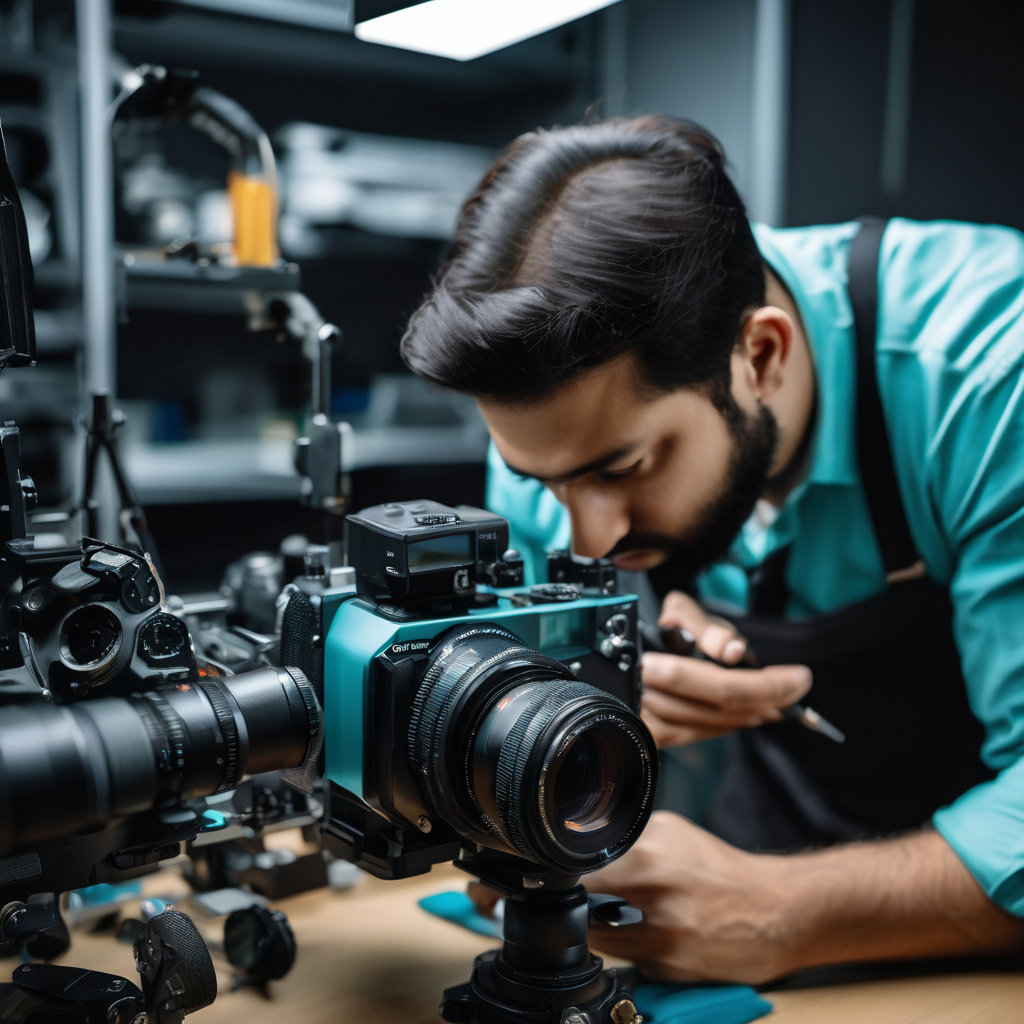
The real expertise isn't in the equipment—it's in knowing how to use it and how to fix it when something goes wrong. A trusted repair technician is as valuable as the gear itself.
Once you're past the "which camera should I buy" phase, the next questions are about technique, light, and how to use what you have. Look for community. Join photography groups, find mentors, and shoot with other people. You'll learn faster from watching someone work than from reading.
A side-by-side that settles it
The camera gear question often comes down to one simple truth:
The best camera is the one you have with you and know how to use.
If you're not sure whether to rent or buy, rent first. If you're not sure which camera to choose, borrow one and spend time with it. The expensive mistakes happen when you guess instead of knowing. Take your time with this decision—you'll shoot better because of it.