Learn to preserve, digitize, and archive your photography collection with practical guidance you can use immediately.
Orientation — What This Is
Every photographer I know has a box of prints, slides, or negatives stored somewhere — in a drawer, a closet, or a shoebox under a bed. Those photographs are your visual record, and they will not stay in good condition by accident. Temperature swings, humidity, light, and time are all working against them. The good news is that you do not need special expertise to protect what you have, and the process of digitizing and printing your archive is more straightforward than most people think.
The difference between losing your family photographs and keeping them forever often comes down to one afternoon spent copying and printing them properly.
This is where hands-on work matters. You cannot learn preservation by reading alone — you have to see the equipment, handle the materials, and understand why each step exists. These workshops cover what you need to know to take control of your own collection.
How to Use It
Each workshop runs two hours and covers one topic deeply. You will work with actual photographs and equipment, copy materials if you bring originals, and walk out with a plan for your own archive. No experience is necessary. Bring old photographs, negatives, or slides you want to work with, or use examples we provide. By the end of the session, you will understand the equipment involved, the steps that matter, and where to turn if something goes wrong later.
The Detail
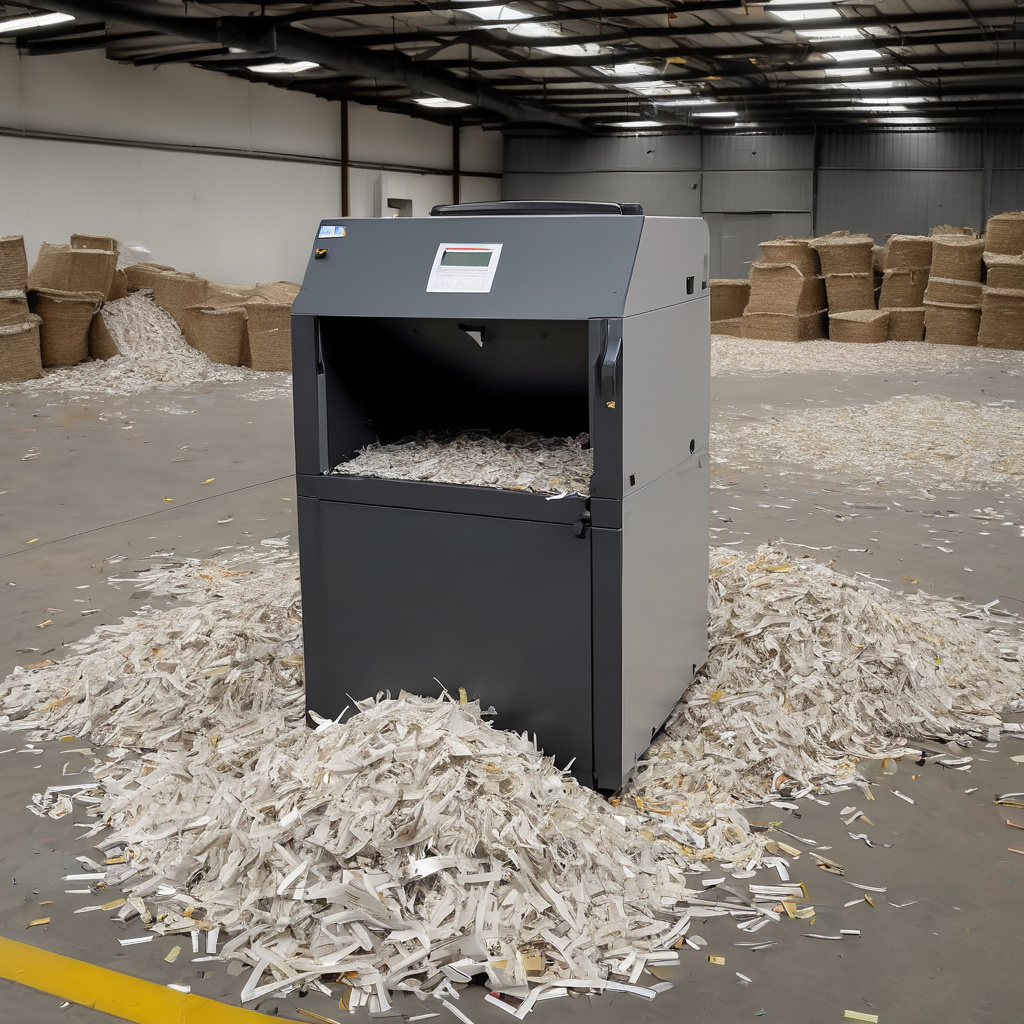
Once you have copied and printed your photographs, you are left with originals that need to go somewhere. That means deciding what to keep, what to digitize, and what to dispose of safely. Many families have boxes of duplicate prints, damaged negatives, or photographs from people they no longer know. Rather than letting those materials sit indefinitely, a structured disposal process makes sense. Secure shredding handles sensitive materials — old letters, medical records, personal documents mixed with your photographs — all at once.
The tools exist to make this work manageable. Modern copying and printing equipment makes it possible to digitize and archive photographs without damaging the originals, and professional shredding ensures old materials are disposed of safely and responsibly.
The Reference Table
Colour Prints and Slides
The most common originals people want to preserve. Colour photographs fade over time even in dark storage, so copying to digital and printing archival-quality copies is the best preservation strategy. Slides require special scanning equipment — the workshop covers how to evaluate your slides and when professional scanning is worth the cost.
Black-and-White Negatives
Negatives are fragile and easy to damage, but they hold more information than prints — you can make multiple prints from one negative and recover details that appear lost in an old print. Learning to handle negatives safely and scan them properly is valuable if your family archive includes film. We walk through inspection, cleaning, and scanning techniques.
Damaged or Water-Damaged Photos
Prints that have yellowed, stuck together, or been damaged by water pose special challenges. Some damage can be reversed or minimized during the copying process. The workshop includes assessment techniques — knowing what can be saved and what has to be acknowledged as loss — so you can make realistic decisions about your collection.